

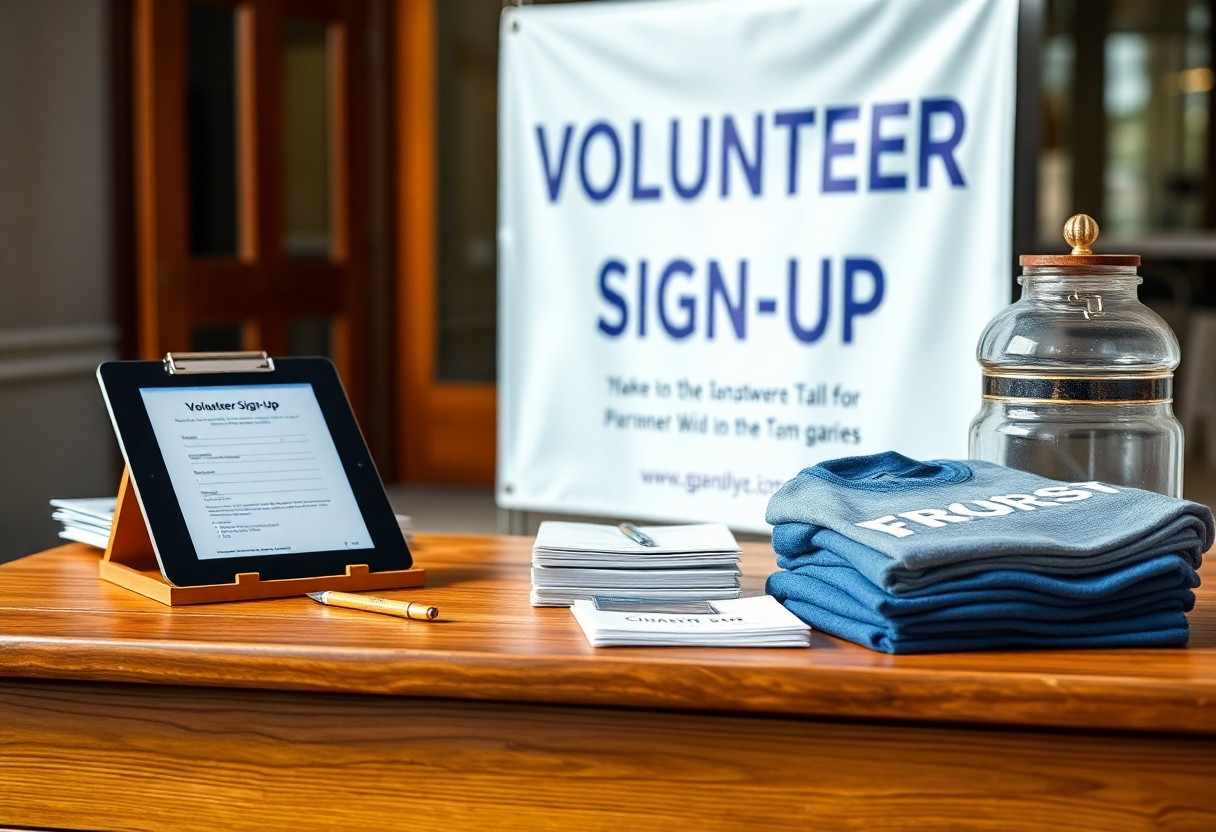
There’s a clear path you can follow to connect with local groups, communicate needs transparently, and build trust so motivated volunteers commit regularly to your mission.
Key Takeaways:
- Identify target neighborhoods and volunteer motivations; tailor messages and role descriptions to match skills, availability, and personal goals.
- Build partnerships with local schools, nonprofits, faith groups, and businesses to expand recruitment channels, host joint events, and create referral pathways.
- Create clear pathways including simple application steps, role-specific training, flexible schedules, and visible recognition linked to measurable impact to boost retention.
How-To Develop a Multi-Channel Outreach Strategy
Plan a coordinated schedule across email, social, events, and partner channels; assign target audiences to each, set clear calls-to-action, and track metrics so you can refine outreach based on response.
Utilizing Social Media for Targeted Recruitment
Use platform-specific content and paid ads to reach local volunteers; tailor messaging by interest, post volunteer stories, and create clear sign-up links so you convert social interest into committed recruits.
Implementing Local Grassroots Networking Tactics
Engage neighborhood groups, faith organizations, and schools through in-person visits, presentations, and tabling; offer quick volunteer roles and follow-up meetings so you turn casual contacts into dependable participants.
Coordinate a stakeholder map, recruit neighborhood ambassadors, schedule regular drop-in hours, and supply simple onboarding scripts so you can onboard volunteers quickly, track involvement, and acknowledge contributions to sustain long-term commitment.
Essential Tips for Crafting High-Impact Messaging
Clear messaging pinpoints who you need, what they’ll do, and why it matters.
- Target audience
- Specific tasks
- Impact examples
After you test tone and timing, refine messaging to better match volunteer motivations.
Highlighting the Tangible Value of Volunteer Contributions
Show volunteers exactly what their hours achieve, citing metrics, stories, and local outcomes so you create concrete reasons to join.
Creating Transparent and Action-Oriented Calls to Action
Craft CTAs that tell you where to sign up, whom to contact, exact time commitment, and what to expect.
Explain the process, deadlines, and next steps so you can commit with confidence; include one-click sign-ups, sample schedules, clear contact names, and brief role descriptions to remove uncertainty and speed decisions.
Factors That Drive Long-Term Volunteer Commitment
You sustain volunteers by creating meaningful roles, consistent recognition, clear communication, and strong community connections. Any lasting commitment grows when you match tasks to skills, provide timely feedback, and celebrate contributions.
- Meaningful, skill-aligned tasks
- Regular recognition and celebration
- Clear expectations and communication
- Accessible support and feedback
- Opportunities for growth
Establishing Structured Support and Feedback Systems
Clear support systems give you predictable guidance, accessible supervisors, scheduled check-ins, and prompt problem resolution so volunteers feel competent, heard, and safe to stay engaged.
Offering Professional Development and Skill-Building Opportunities
Growth opportunities let you build relevant skills through workshops, mentoring, and project assignments that increase confidence and long-term commitment.
When you design professional development, map clear learning pathways tied to volunteer roles and goals, offer microtrainings and mentorship, and grant certifications or visible acknowledgments. Offer hands-on assignments that apply new skills quickly, track progress with brief reviews, and connect training outcomes to expanded responsibilities so volunteers see tangible returns on their time and stay invested.
How-To Optimize the Volunteer Onboarding Experience
Focus on clear milestones, streamlined roles, and accessible training so you reduce early drop-off and set realistic expectations for new volunteers.
Streamlining the Application and Vetting Process
Simplify applications, offer mobile-friendly forms, and use timed responses so you speed placement and respect applicants’ time while maintaining safety checks.
Designing Effective and Welcoming Orientation Programs
Create concise orientations that mix clear role walkthroughs, hands-on practice, and personal introductions so you accelerate confidence and belonging for new volunteers.
Plan a layered orientation with a brief group welcome, role-specific breakouts, practical exercises, and a peer mentor; you should include clear schedules, accessible materials, a competency checklist, and a follow-up session within the first month to reinforce learning and collect feedback for continuous improvement.
Practical Tips for Maintaining Strategic Community Partnerships
Focus on open communication, shared goals, and measurable outcomes to keep partnerships productive. Build simple agreements, agree on roles, and set regular check-ins. Any partnership that you sustain should include clear expectations, performance metrics, and a plan for recognition to retain committed volunteers.
- Set clear mutual goals and timelines to align expectations.
- Schedule quarterly reviews to measure impact and adjust roles.
- Share volunteer success stories and data to sustain engagement.
Collaborating with Local Businesses and Educational Institutions
Engage local businesses and schools with clear value propositions: defined volunteer roles, short-term pilots, and shared publicity. You can offer tailored service projects, guest talks, or internship frameworks that benefit their objectives while giving volunteers hands-on experience.
Leveraging Networking Events to Expand Outreach Breadth
Attend local mixers, chamber meetings, and community fairs to meet potential partners and volunteers. Bring clear signup options, one-page role descriptions, and a short pitch that explains commitments. Use follow-up emails to convert interest into volunteers.
Prepare by targeting events whose attendees match your volunteer profiles, setting measurable outreach goals, and assigning your team to capture contacts and gather consent. Bring concise handouts, a tablet for quick sign-ups, and offer small, immediate tasks so you lower commitment barriers. Follow up within 48 hours with tailored next steps, clear onboarding dates, and a simple RSVP to help you convert leads into active volunteers.
Final Words
Presently you must refine outreach by mapping local needs, offering clear roles and training, communicating impact regularly, and building respectful partnerships to attract committed volunteers aligned with your mission.