
Over time, you must build meaningful appreciation programs that recognize skills, show impact, offer tailored rewards, and create clear feedback so you retain volunteers and sustain engagement.
Key Takeaways:
- Personalize recognition: use handwritten notes, public shout-outs, and rewards matched to volunteer preferences to show genuine appreciation and strengthen commitment.
- Make appreciation timely and specific: acknowledge contributions soon after events with concrete examples of impact and share measurable outcomes that volunteers helped achieve.
- Offer meaningful growth and belonging opportunities: provide training, leadership roles, peer mentoring, and regular check-ins to connect volunteers to the mission and support their development.
Identifying Key Factors of Volunteer Motivation
Volunteers respond to varied incentives:
- social connection
- sense of purpose
- skill growth
Perceiving how these interact lets you tailor appreciation.
Understanding intrinsic and extrinsic drivers
You notice intrinsic motives-meaning, mastery, belonging-and extrinsic ones like praise or perks; matching recognition to both types keeps volunteers engaged.
Aligning recognition with volunteer values
Match recognition to volunteer values so you acknowledge motivations that matter most, offering personalized thanks, role-specific rewards, or public affirmation.
Tailor your recognition by surveying volunteers, mapping values to specific rewards (public praise, skill badges, flexible roles), piloting small changes, and using feedback so you reinforce behaviors and loyalty that align with each volunteer’s priorities.
How to Build a Scalable Appreciation Framework
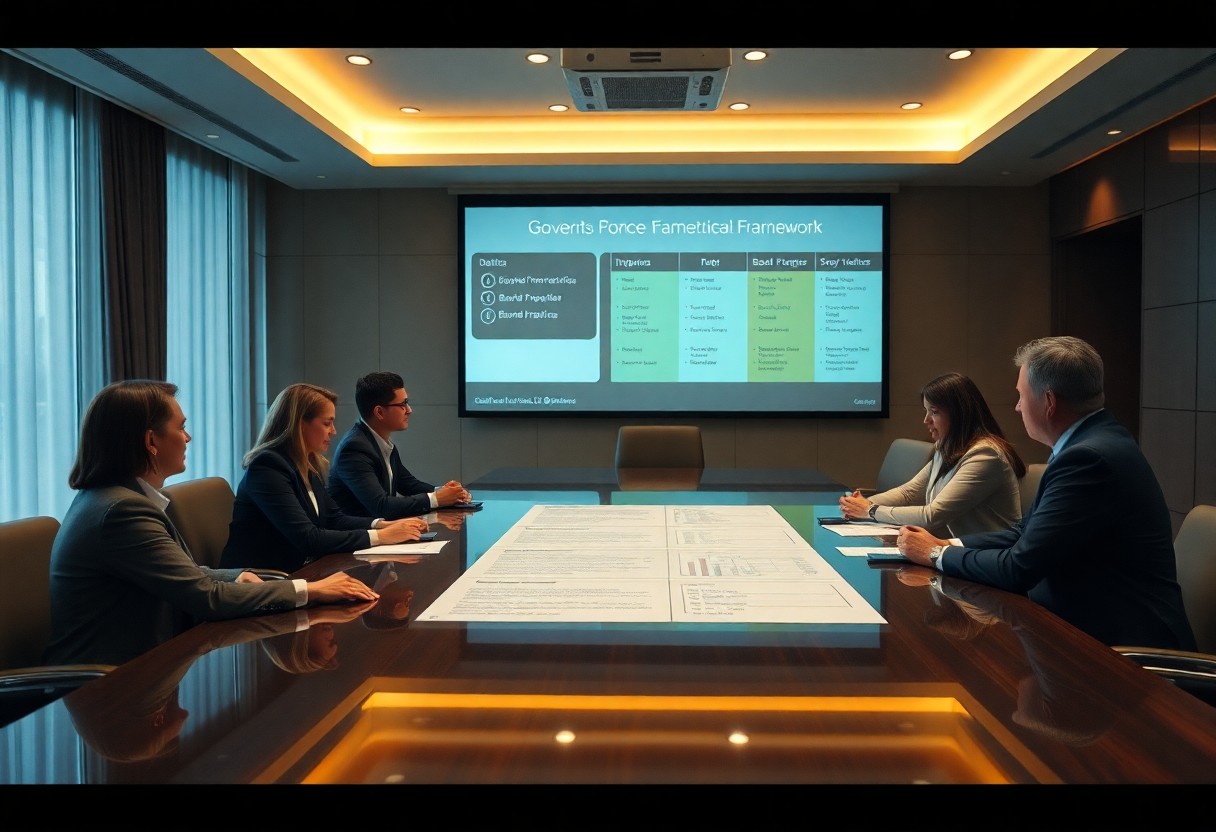
Structure a scalable appreciation framework so you can classify recognition types, set frequency, assign responsibility, and collect simple metrics that allow growth without overwhelming staff.
Setting clear objectives for your program
Define clear, measurable objectives so you can track volunteer retention, engagement levels, recognition reach, budget limits, and review timelines; assign KPIs and reporting cadence to evaluate progress.
Integrating recognition into the organizational culture
Embed recognition into daily routines by training leaders, scripting thank-you moments in meetings, adding gratitude checkpoints to onboarding, and enabling peer-to-peer acknowledgments for consistent practice.
Create traditions such as monthly spotlights, leader-led appreciation moments, small token programs, and public storytelling; monitor participation and satisfaction metrics so you can iterate on what resonates.
Essential Tips for Personalizing the Volunteer Experience
You can customize small gestures that reflect each volunteer’s interests:
- note birthdays
- match tasks to skills
- offer flexible schedules
Recognizing these details makes volunteers feel seen and increases retention.
Tailoring rewards to individual contributions
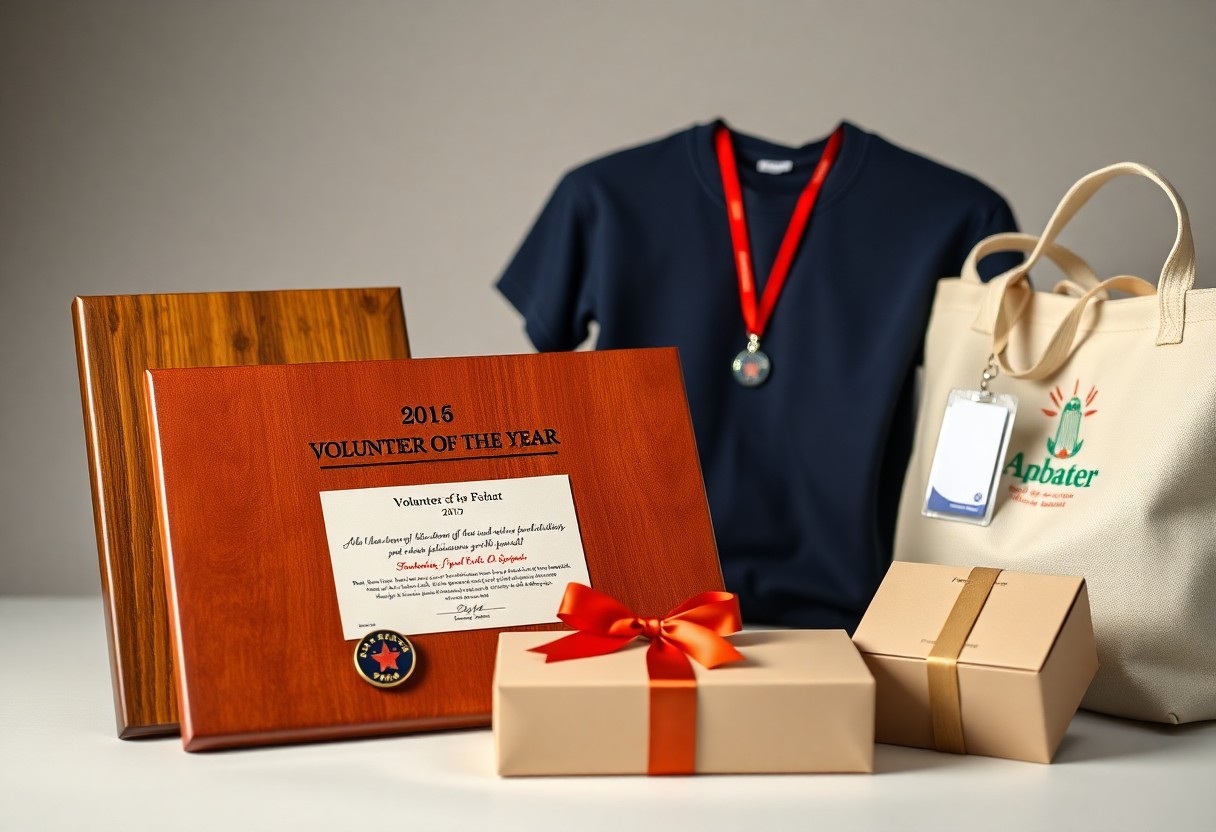
Tailor rewards to what you know about each volunteer, offering skill-based perks, public praise, or experiential gifts that align with the type and level of their contribution.
Utilizing handwritten notes and direct outreach
Send short, personal notes and timely check-ins so you acknowledge specific actions and maintain a human connection that supports ongoing involvement.
Handwritten notes should reference a recent task and its impact, while direct outreach-calls or personalized texts-lets you ask about availability and satisfaction; you can use brief templates to save time but always add one sentence of unique detail to show genuine attention and strengthen relationships.
Critical Factors for Enhancing Long-Term Retention
Retention hinges on clear recognition, growth paths, and belonging; prioritize:
- Regular, specific recognition
- Skill-building roles
- Social rituals and networks
After you map preferences, schedule consistent gestures that match motivations.
Providing opportunities for skill development
Offer volunteers targeted training, mentoring, and stretch assignments so you build practical skills, increase confidence, and sustain long-term engagement.
Creating a sense of community and belonging
Create rituals, peer check-ins, inclusive events, and clear communication channels so you help volunteers belong and collaborate effectively.
Deepen connection by organizing small teams, buddy onboarding, monthly socials, recognition circles, and project showcases that let you highlight contributions and strengthen loyalty.
How to Measure the Success of Recognition Efforts
Measure success by defining clear recognition objectives and tracking volunteer response, retention, and participation; use simple KPIs so you can see which initiatives increase loyalty and morale.
Tracking retention metrics and engagement levels
Monitor volunteer retention rates, repeat-hours, attendance, and active roles, then compare cohorts pre- and post-recognition to determine what drives sustained engagement.
Gathering volunteer feedback through surveys
Solicit short, targeted surveys measuring satisfaction with recognition types, timing, and visibility so you can adapt programs based on volunteer preferences and sentiment.
Design surveys that blend Likert-scale items with open-ended prompts to capture quantifiable trends and personal stories; ask about recent recognition experiences, preferred rewards, and ideal frequency. Keep surveys under five minutes, mobile-ready, and optionally anonymous to increase honesty. Segment responses by role and tenure, correlate findings with retention data, and report back the actions you take so volunteers see their feedback produce real changes.
Practical Tips for Consistent and Timely Appreciation
You schedule brief, regular acknowledgments and match praise to individual contributions to keep volunteers motivated. Use simple, consistent formats so appreciation feels timely and authentic. Thou make recognition part of routine, not an afterthought.
- Send quick, personal thank-yous within 48 hours
- Tailor praise to each volunteer’s role
- Share short public mentions on team channels
Implementing peer-to-peer recognition systems
Start a peer-recognition board where volunteers nominate colleagues and post quick kudos; you rotate spotlights, track nominations, and offer small tokens to sustain engagement.
Leveraging digital platforms for public shout-outs
Use social channels and internal platforms to celebrate contributions publicly; you schedule regular shout-outs, tag volunteers, and highlight specific impacts to amplify morale.
Craft concise templates and visual assets you can reuse for consistent shout-outs, get volunteer consent before posting photos, vary formats between stories, posts, and brief videos, and measure reach and engagement so you can refine timing and content to increase visibility.
Summing up
Presently you recognize volunteers by giving personalized praise, timely feedback, public and private thanks, and clear role value; you retain them by matching appreciation to motivations, tracking impact, offering skill-building opportunities, and consistently celebrating milestones.