

Just set clear inclusive policies, recruit from varied communities, remove access barriers, train staff in cultural competency, and create safe feedback channels so you can attract diverse volunteers and build a genuinely inclusive program.
Key Takeaways:
- Use targeted outreach and inclusive language in recruitment; partner with community groups to reach underrepresented populations and remove barriers such as transportation, childcare, costs, and limited literacy.
- Design volunteer roles for accessibility and flexibility; provide clear role descriptions, varied commitment levels, remote or hybrid options, and reasonable accommodations.
- Train staff and volunteers on cultural competence and bias reduction; track volunteer demographics and feedback, set specific inclusion goals, and adjust practices based on outcomes.
Identifying Key Diversity Factors
- Age
- Gender
- Ethnicity
- Language
- Disability
- Socioeconomic status
- Faith
- Location
Identify the factors that shape volunteer diversity by reviewing age, gender, ethnicity, language, disability, socioeconomic status, faith, and location. Knowing which factors matter helps you set measurable inclusion goals.
Assessing current demographic representation
Examine your volunteer data-registrations, attendance, roles, and retention by demographic group-to identify underrepresented populations and trends you should address.
Recognizing barriers to participation for minority groups
Explore practical obstacles you may create: scheduling, transportation, language, physical access, cost, cultural expectations, and outreach methods that limit minority participation.
Consider running focus groups and anonymous surveys so you collect firsthand accounts of exclusions; audit policies, schedules, venues, and materials for accessibility and cultural appropriateness. Ask about language support, childcare, transport, shift timing, and perceived costs; adapt by offering translations, flexible shifts, stipends, or travel reimbursements, then measure participation changes to guide adjustments.
How-To Develop Inclusive Outreach Strategies
Use targeted messaging and accessible channels so you reach varied backgrounds, languages, and abilities, and collect demographic data to measure how your outreach improves inclusivity.
Expanding recruitment networks beyond traditional circles
Tap nontraditional spaces-community centers, cultural groups, schools, and online forums-to invite volunteers you haven’t reached through standard channels and broaden candidate pools.
Leveraging community partnerships to build trust
Partnering with trusted local organizations lets you demonstrate commitment, share resources, and recruit volunteers through established relationships and referrals.
Cultivate partnerships by co-creating volunteer roles, scheduling joint outreach events, funding community liaison stipends, and offering reciprocal benefits so you build credibility; consistent follow-through and shared impact reporting increase referrals and long-term engagement.
Tips for Creating Accessible Volunteer Roles
Design roles with concise task descriptions, skill-based placement, and clear accommodations.
- Clear task descriptions
- Multiple commitment options
- Accessible training materials
Recognizing barriers helps you adjust roles to include more volunteers.
Offering flexible scheduling and remote opportunities
Provide flexible shifts, part-time tasks, and remote roles so you can fit volunteering around work and caregiving; set clear expectations and quick onboarding to reduce friction.
Ensuring physical and digital accessibility for all
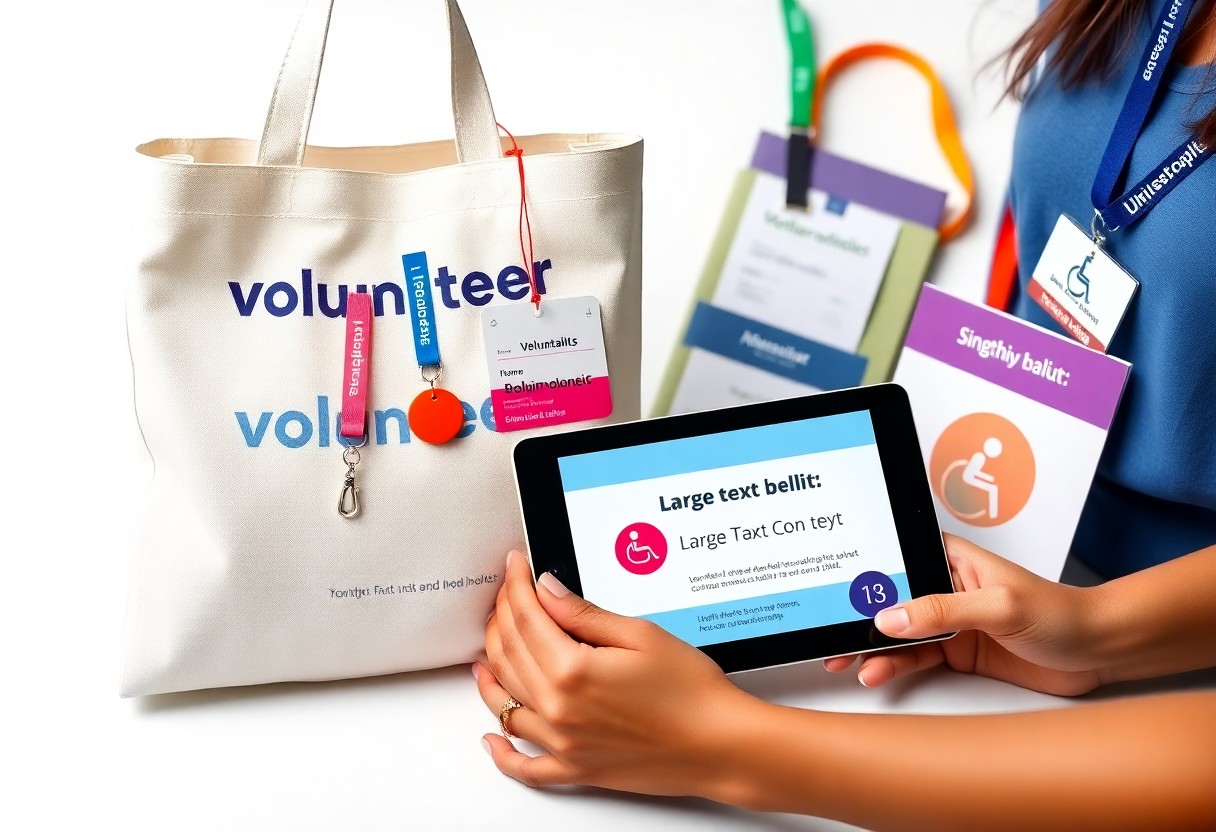
Make venues and platforms usable by providing ramps, captions, large-print materials, and screen-reader-compatible documents so you include volunteers with diverse needs.
Audit your spaces and platforms regularly, involve volunteers with disabilities in testing, budget for assistive technology, provide alternative formats, train your staff on inclusive communication, and publish accessibility policies so you maintain accountability.
Implementing Bias-Free Selection Processes
You must remove subjective filters from volunteer selection by using clear criteria, blind application reviews, and diverse screening panels, so candidates are judged on skills and commitment rather than background. These measures help you widen access and build a fairer volunteer pool.
Standardizing interview questions to ensure equity
Design a standard set of behavioral questions so you evaluate all applicants against the same competencies; scoring rubrics reduce bias and allow you to compare responses objectively, increasing consistency and fairness in every interview.
Training leadership on recognizing unconscious bias
Train leaders to spot unconscious bias through scenario-based workshops and regular reflection, so you shift decision-making from instinct to evidence, improving inclusion in selection panels and volunteer assignments.
Offer ongoing education that combines implicit association tests, case studies, and role-play to make unconscious bias tangible for your leaders. Teach concrete tactics-structured scoring, pause-and-review moments, and diverse co-panelists-to interrupt snap judgments. Measure impact by tracking demographic shifts in volunteer cohorts and soliciting anonymous feedback from applicants, then adjust training content based on what the data reveals.
Cultivating an Environment of Inclusion
Your volunteer environment should welcome differences, remove access barriers, and set clear expectations so you create belonging through inclusive scheduling, accessible spaces, and regular feedback channels.
Developing a formal code of conduct for respectful behavior
Create a concise code of conduct that defines respectful behavior, reporting steps, confidentiality, and consequences so you make expectations clear and volunteers feel secure raising concerns.
Establishing mentorship programs for underrepresented volunteers
Provide mentorship pairings that connect underrepresented volunteers with experienced peers or allies, schedule regular check-ins, and give you structured pathways for skill development and retention.
Pairing you with mentors who share lived experience or ally perspectives helps address barriers, clarify goals, and expand networks; design clear matching criteria, offer mentor training on inclusive coaching, set regular meeting schedules, and track outcomes so you can monitor progress and improve retention.
Factors for Measuring and Sustaining Impact
Metrics help you assess reach, equity, and retention while setting clear review cycles.
- Participation diversity
- Retention rates
- Outcome equity
Any progress relies on scheduled evaluation and allocated resources.
Tracking diversity metrics and retention rates
Track demographic data, attendance, and tenure so you can spot disparities; compare cohorts and adjust outreach or support based on what the numbers reveal.
Soliciting and acting on feedback from diverse voices
Solicit input via surveys, focus groups, and one-on-ones, then publish responses and visible changes so you reinforce trust and accountability.
Gather diverse perspectives by offering translated forms, multiple formats, and flexible timings; you should code feedback for themes, assign owners for follow-up, and report progress so contributors see tangible results.
Summing up
You can promote diversity and inclusion in volunteer programs by setting inclusive policies, recruiting from varied communities, removing access barriers, offering bias-aware training, assigning clear roles, listening to volunteers’ feedback, and measuring outcomes to adjust practices for fairness and belonging.