
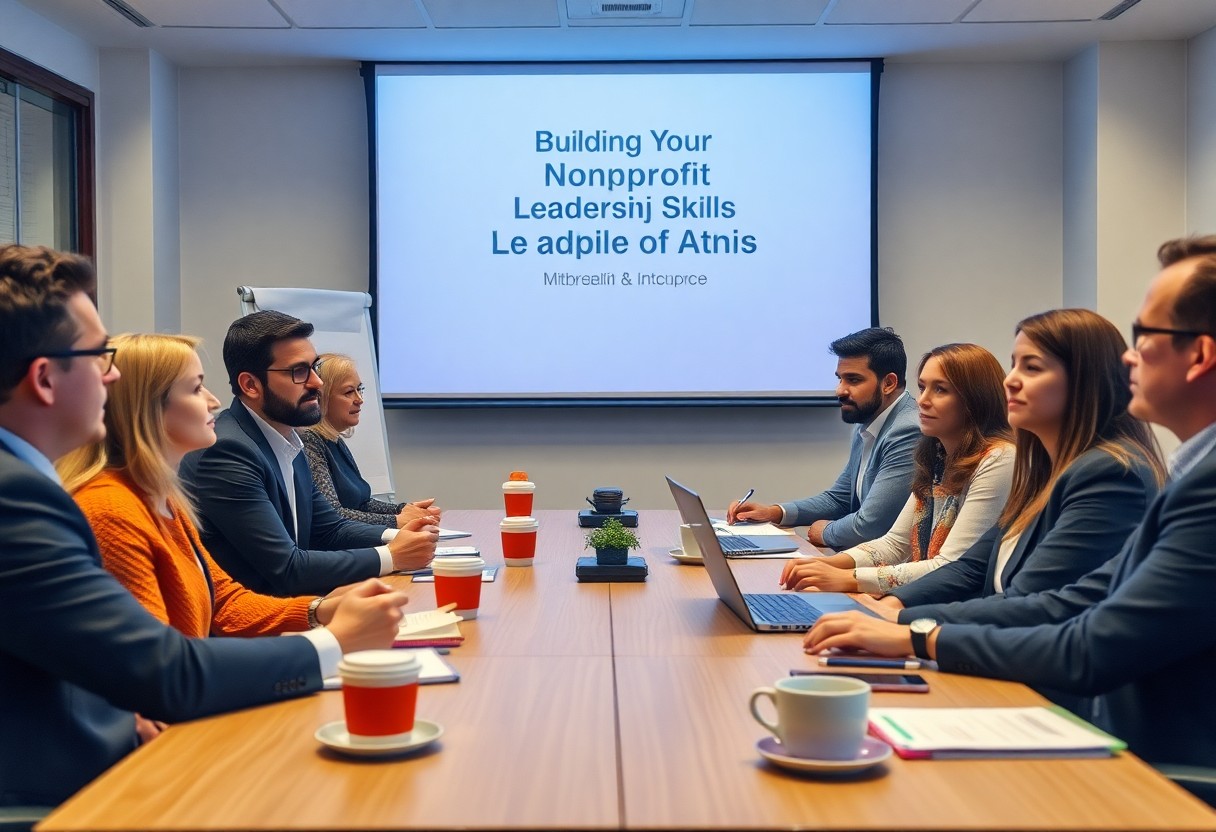
There’s a pathway for you to enhance your leadership capabilities in the nonprofit sector through the Nonprofit Leadership Alliance. By engaging with their programs, you can develop imperative skills that empower you to navigate challenges effectively while inspiring others. The Alliance offers valuable resources and training designed to strengthen your leadership effectiveness and drive your organization towards achieving its mission. Embrace this opportunity to cultivate your potential and make a significant impact in your community.
Key Takeaways:
- Engage with resources and training programs offered by the Nonprofit Leadership Alliance to enhance your leadership abilities and gain practical experience.
- Network with experienced leaders and peers to exchange ideas, insights, and best practices that can strengthen your nonprofit’s impact.
- Utilize assessment tools and feedback mechanisms to evaluate your leadership style and identify areas for growth and development.
Understanding Nonprofit Leadership
Nonprofit leadership encompasses more than just managing teams and resources; it requires a deep understanding of the mission, vision, and values that drive your organization. The effectiveness of your leadership directly influences your nonprofit’s ability to achieve its goals and create lasting impact. Engaging with community stakeholders, understanding fundraising strategies, and implementing effective communication channels are necessary aspects of nonprofit leadership that foster sustainable growth and positive change.
Key Leadership Skills
To excel in nonprofit leadership, you need to cultivate specific skills, such as strategic thinking, effective communication, and emotional intelligence. Mastering these abilities allows you to inspire and motivate your team, build strong relationships with stakeholders, and adapt to the evolving landscape of the nonprofit sector. Continuous learning and practical experience are vital components in developing these skills.
Importance of Nonprofit Leadership
Strong nonprofit leadership is necessary for maximizing your organization’s impact and securing its long-term sustainability. Effective leaders can navigate complexities, foster collaboration, and drive innovative solutions to social challenges. By investing in leadership development, you position your nonprofit to adapt successfully to changing environments and enhance its overall effectiveness.
Leadership is not just a role; it’s a responsibility that directly correlates with your organization’s success. Poor leadership can lead to misalignment of goals, loss of funding, and diminished community trust. For example, research indicates that nonprofits with engaged leaders are 80% more likely to achieve their strategic objectives. Thus, prioritizing leadership development not only strengthens your capabilities but also propels your nonprofit toward greater mission fulfillment and community impact.
How-to Build Essential Leadership Skills
Engage in Continuous Learning
To refine your leadership skills, commit to continuous learning. The Nonprofit Management and Leadership Credentials offer valuable resources to enhance your expertise. Attend workshops, webinars, and conferences to stay updated with trends and best practices. This proactive approach helps you adapt your strategies while expanding your network, ultimately boosting your effectiveness as a leader.
Seek Mentorship Opportunities
Finding a mentor is a powerful way to advance your leadership abilities. A mentor can provide personalized insights, share experiences, and guide you through challenging situations. By engaging with someone experienced in the nonprofit sector, you can gain practical advice tailored to your unique context, helping you navigate the complexities of nonprofit leadership.
When seeking mentorship opportunities, target individuals whose journey aligns with your career goals. Look for local nonprofit leaders or industry professionals through networking events or online platforms. Establish a clear purpose for the mentorship and consider how you can also add value to the relationship. By fostering a collaborative dynamic, you enrich your learning experience, ensuring your growth as a leader is both profound and impactful.
Tips for Effective Communication
Effective communication is pivotal in nonprofit leadership. To enhance your skills, focus on clear messaging, empathy, and active engagement. Key practices include:
- Active listening
- Clarity in your message
- Nonverbal cues
- Constructive feedback
- Open dialogue
Any improvement in your communication can lead to better team dynamics and stakeholder relationships. For more insights, check out 4 Best Practices For Nonprofit Leadership In 2021.
Active Listening Techniques
Engaging in active listening involves fully concentrating on what others are saying. Techniques like paraphrasing and asking clarifying questions demonstrate your commitment to understanding their perspective. This not only enhances communication but also builds trust within your team.
Constructive Feedback Methods
Delivering constructive feedback is vital in fostering growth and improvement. Frame your feedback positively, emphasizing strengths before addressing areas of improvement. Use specific examples to illustrate your points, ensuring the conversation remains respectful and goal-oriented.
When providing constructive feedback, consider the context and emotional state of the recipient. Approach the discussion as a collaborative effort, allowing for an open exchange of thoughts. Utilize the “sandwich” method by starting with positive observations, followed by constructive criticism, and concluding with encouragement. This approach fosters a supportive environment, enhancing the likelihood of a positive reception and implementation of the feedback provided.
Factors Influencing Leadership Development
Several factors can significantly impact your leadership development in the nonprofit sector. Key elements include organizational culture, mentorship opportunities, and networking. Each of these factors plays a vital role in shaping your skills and effectiveness as a leader. Engaging with these elements allows you to enhance your insights and adaptability in various situations. Recognizing these influences will empower you to take strategic steps in your leadership journey.
Organizational Culture
Your ability to thrive as a leader is deeply rooted in the organizational culture surrounding you. A culture that values collaboration, innovation, and transparency can foster an environment where leadership skills are nurtured. Having supportive colleagues and an open atmosphere encourages you to share ideas and solutions, enhancing your effectiveness in guiding your team.
Networking and Community Engagement
Building relationships through networking and community engagement is necessary for leadership development. Actively participating in various events and forums not only expands your network but also enriches your understanding of the challenges and opportunities within the nonprofit sector. Engaging with diverse stakeholders allows for knowledge exchange and can lead to potential collaborations to further your mission.
To further enhance your leadership capabilities, join local nonprofit gatherings or professional associations. These venues present opportunities to connect with seasoned leaders, gain insights into effective strategies, and even find mentors who can provide invaluable support. Engaging in community initiatives helps build trust and demonstrates your commitment, all while expanding your sphere of influence. Through these interactions, you gain perspectives that broaden your understanding of the sector and inspire innovative approaches to leadership challenges.
Career Advancement in Nonprofit Leadership
Advancing your career in nonprofit leadership requires strategic planning and proactive engagement. By leveraging platforms like the Nonprofit Leadership Alliance, you can tap into valuable resources and networking opportunities that can elevate your professional trajectory. Balancing leadership responsibilities with personal wellness is vital, and you can explore practical steps to balance nonprofit leadership and … for guidance on maintaining a healthy work-life integration.
Identifying Growth Opportunities
Look for avenues that promote your professional growth such as mentorship programs, workshops, and conferences. Engaging with seasoned leaders and inviting constructive feedback can help you pinpoint areas for improvement and emerging trends in the nonprofit sector. Also, volunteer for challenging projects that stretch your capabilities.
Building a Professional Portfolio
Your professional portfolio is an vital tool that showcases your achievements and skills in nonprofit leadership. Including various projects, publications, and testimonials can provide tangible evidence of your capabilities and effectiveness. A well-curated portfolio helps you stand out in a competitive landscape.
To build a compelling professional portfolio, start by documenting your key achievements, leadership roles, and any relevant certifications. Use diverse formats, such as case studies, presentations, and impact reports, to illustrate your contributions effectively. Additionally, incorporating feedback from colleagues and clients through testimonials can add authenticity and depth. Making your portfolio easily accessible, either digitally or in print, ensures that it’s ready to impress potential employers or collaborators whenever necessary.
Strategies for Team Leadership
Successful team leadership hinges on your ability to create a collaborative environment where diverse skills are valued. Implement effective strategies, such as setting clear expectations and fostering open communication, to cultivate a productive team atmosphere. Regular check-ins can help maintain alignment and address any emerging issues promptly, ensuring that every member feels engaged in the mission of your nonprofit.
Motivating and Inspiring Teams
Inspiring your team goes beyond traditional management; it involves fostering a shared vision that ignites passion and commitment. Celebrate collective achievements, provide opportunities for professional growth, and encourage individual contributions. By recognizing and amplifying the strengths of each team member, you can cultivate a motivated workforce dedicated to your nonprofit’s mission.
Conflict Resolution Techniques
Addressing conflict in a timely and constructive manner is vital for maintaining team cohesion. You can employ techniques such as active listening and mediation to clarify misunderstandings. It’s vital to approach conflicts with an open mind, seeking collaborative solutions that respect differing viewpoints while focusing on shared goals.
To effectively navigate conflicts, consider implementing structured meetings where team members can voice concerns safely. Use techniques like the “interest-based relational approach,” which emphasizes understanding personal interests behind positions. This method facilitates empathetic dialogue. Additionally, establishing a set of ground rules for how to engage in disagreements can create a safe space for team members to express their views without fear of retaliation, fostering a culture of respect and collaboration.
To wrap up
Following this, you can enhance your nonprofit leadership skills through the comprehensive resources offered by the Nonprofit Leadership Alliance. By engaging in their training programs, networking opportunities, and utilizing their valuable tools, you will effectively strengthen your ability to lead and inspire others in the nonprofit sector. Investing in your personal development not only benefits your career but also positively impacts the communities you serve. Take the initiative today to build a more successful future in nonprofit leadership.