

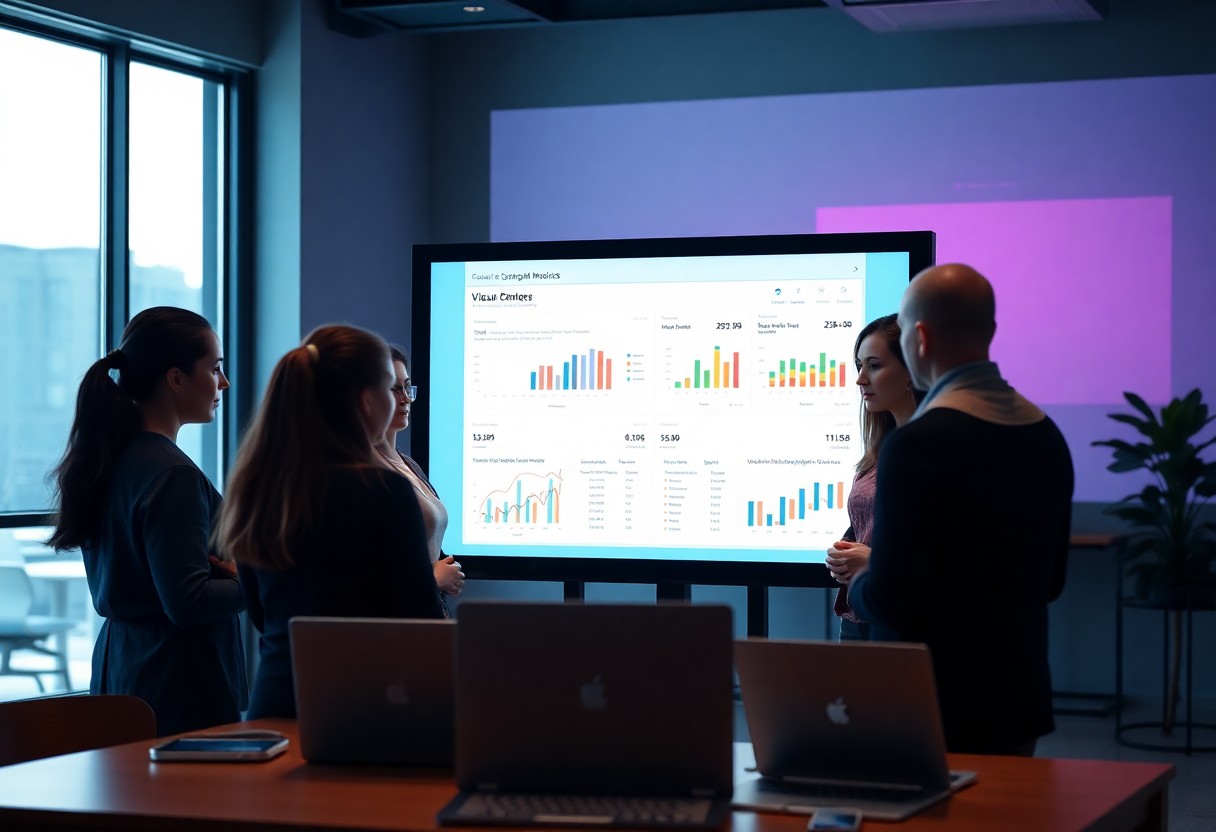
You can enhance your nonprofit’s efficiency by leveraging AI technologies for donor management and impact tracking. By implementing AI tools, you streamline communication with your donors, analyze engagement patterns, and tailor your outreach efforts to increase donations. Moreover, utilizing data analytics helps you measure the effectiveness of your programs, ensuring that every dollar spent maximizes your impact. Embrace these innovations to create a more sustainable and effective nonprofit organization that resonates with your mission and engages your supporters.
Key Takeaways:
- Utilize AI tools to analyze donor data for personalized communication and increased engagement.
- Implement AI-driven impact tracking systems to measure program effectiveness and improve reporting.
- Enhance operational efficiency by automating routine tasks, allowing staff to focus on strategic initiatives.
Understanding AI in Nonprofit Operations
Incorporating AI into your nonprofit operations allows for enhanced efficiency and smarter decision-making. The technology can revolutionize how you manage donor relationships and track impact metrics. By adopting AI, you can streamline components like fundraising, communications, and reporting, thus freeing up valuable resources and time.
Defining AI and Its Relevance
AI, or artificial intelligence, refers to computer systems that can perform tasks requiring human intelligence, such as recognizing patterns and making decisions. In the nonprofit sector, AI is relevant because it enhances your ability to analyze data, leading to more informed strategies and improved outcomes.
Benefits of AI for Nonprofits
Utilizing AI in your nonprofit operations can significantly boost your effectiveness and donor engagement. You can optimize outreach strategies, personalize donor interactions, and utilize predictive analytics to anticipate funding trends. This not only leads to increased donations but also fosters a deeper connection with your supporters.
Implementing AI-driven tools enables you to analyze large datasets quickly, revealing insights that can refine your fundraising strategies. For example, organizations that employ AI in donor segmentation report up to a 30% increase in donor retention. By harnessing machine learning, you can tailor your communication efforts, ensuring that messages resonate with specific audience segments. As a result, your nonprofit can maximize its impact while operating with greater efficiency and reduced administrative costs.
Smarter Donor Management
Using AI in donor management transforms how you engage and retain supporters. With tools designed to analyze donor behavior, you can enhance relationship-building efforts and tailor outreach strategies. For further strategies on AI in fundraising, you can explore How to Use AI for Nonprofit Fundraising (26 Tips). This approach allows you to create more meaningful interactions, leading to increased donations and long-term loyalty.
Leveraging AI for Donor Insights
AI helps you uncover valuable insights from donor data, enabling you to understand preferences, giving patterns, and potential for future contributions. By analyzing trends, you can segment your donor base and craft strategies tailored to each group, ensuring your outreach is relevant and impactful.
Personalized Communication Strategies
Implementing AI-driven communication strategies allows you to engage donors on a personal level. Automated systems can recommend tailored messages based on donor history and interests, fostering a deeper connection. Leveraging insights from past interactions ensures every communication respects their unique preferences and increases the likelihood of engagement.
Delving into personalized communication means crafting messages that resonate emotionally with your donors. For instance, if a donor previously supported animal welfare programs, sending updates specifically about recent successes in that area can enhance their connection to your mission. By segmenting campaigns based on interests, analyzing past donations, and automating tailored messages, you significantly boost engagement rates. This strategy doesn’t just solicit support; it makes your donors feel valued and integral to your cause, encouraging long-term commitment and increased contributions over time.
Implementing AI for Impact Tracking
AI technology can transform how you monitor and assess your organization’s impact. By leveraging machine learning algorithms and advanced analytics, you can efficiently process large volumes of data, uncovering trends and insights that inform your decision-making. This not only enhances transparency but also enables you to communicate your results more effectively to stakeholders.
Data Collection and Analysis
Effective impact tracking begins with robust data collection mechanisms. Implement AI-driven tools to gather real-time data from various sources, including surveys, social media interactions, and program participation metrics. Analyze this data efficiently, which allows you to gain insights into your beneficiaries’ needs and the overall effectiveness of your initiatives.
Measuring Outcomes and Effectiveness
To measure outcomes effectively, integrate AI with outcome measurement frameworks tailored to your goals. This means automating data analysis to gauge the impact of your programs over time, utilizing indicators such as changes in beneficiary behavior or community well-being. AI can help you identify correlations, making your reporting efforts more precise and reflective of your true impact.
Utilizing AI in measuring outcomes allows for dynamic tracking and assessment. For instance, if you run a program aimed at improving literacy rates, AI can analyze participant test score improvements and correlate them with program attendance. This enables you to pinpoint which aspects of your program are most effective and which need adjustment. By continuously assessing these metrics, you adapt your strategies in real time, improving program efficacy and ensuring that your resources are invested where they have the greatest impact.
Overcoming Challenges in AI Adoption
Adopting AI in nonprofit operations often comes with hurdles that need addressing to maximize potential benefits. Issues such as data silos, limited tech expertise among staff, and budget constraints can hinder progress. By tackling these challenges head-on, you can better position your organization to leverage AI’s transformative power effectively.
Addressing Common Barriers
Common barriers to AI adoption include skepticism about technology, inadequate data quality, and insufficient training for staff. Engaging stakeholders early and showcasing pilot projects can build trust and demonstrate AI’s efficacy. Investing in quality data collection and offering comprehensive training sessions can help mitigate these obstacles.
Best Practices for Integration
Successfully integrating AI requires a tailored approach. Begin by defining clear objectives that align with your mission and identifying key performance indicators. Utilize feedback loops to continually improve AI tools and processes, and ensure your team is equipped with training to maximize AI’s effectiveness in your operations.
To implement these best practices, engage your team in the integration process and encourage collaboration between departments. Establish regular check-ins to evaluate AI tool performance and gather insights from staff. Create a culture of data literacy by providing ongoing training and resources so your team feels confident navigating AI technologies. By prioritizing transparency and adaptability, you ensure that AI tools evolve with your nonprofit’s needs, driving successful outcomes.
Case Studies: Successful AI Implementation
Exploring case studies reveals how various nonprofits successfully integrated AI technology to enhance their operations. These initiatives not only improved donor management but also maximized impact tracking. For a deeper understanding, refer to A Complete Guide to Understanding AI For Nonprofits.
- Charity: Water employed AI to analyze donor behavior, resulting in a 25% increase in recurring donations.
- Save the Children implemented predictive analytics, leading to a 30% improvement in target outreach effectiveness.
- Feeding America utilized AI-driven data insights, optimizing food distribution and reducing waste by 20%.
- World Wildlife Fund adopted deep learning models for conservation efforts, predicting endangered species movements with 95% accuracy.
Exemplary Nonprofit Initiatives
Your organization’s initiatives can draw inspiration from exemplary cases of AI implementation. By studying leaders like Charity: Water and Save the Children, you’ll find actionable strategies and innovative approaches that can inform your own operations.
Lessons Learned from Case Studies
Understanding lessons learned from these case studies offers valuable insights into the effective use of AI in nonprofits. You can take note of common pitfalls to avoid and strategies that yielded tangible results, incorporating these lessons into your own AI initiatives.
- Data Quality: High-quality data was vital for accurate analytics; poor data led to misleading insights.
- Staff Training: Organizations saw success by investing in training their teams to use AI tools effectively.
- Integration Challenges: Aligning AI systems with existing processes uncovered integration hurdles that needed addressing early on.
- Continuous Evaluation: Regular assessment of AI systems ensured they remained effective and relevant to evolving organizational goals.
Analyzing these case studies helps you recognize the importance of data quality and the necessity of staff training in successfully adopting AI technologies. Organizations that prioritize continuous evaluation and proactive problem solving enjoy more significant impact. Each case serves as a blueprint for navigating potential integration challenges, offering you a roadmap toward optimal AI utilization in your nonprofit.
- Increased Engagement: AI enhanced donor engagement strategies, resulting in higher transaction rates.
- Resource Allocation: Nonprofits utilized AI to better target resources, leading to 15% increased efficiency.
- Impact Measurement: Advances in AI allowed organizations to refine impact metrics, improving transparency with stakeholders.
- Operational Cost Reduction: AI integration helped reduce operational costs by approximately 18% across multiple initiatives.
Future Trends in AI for Nonprofits
As AI technologies evolve, nonprofits can expect greater integration of data analytics and predictive modeling to enhance decision-making processes. Future trends indicate a shift towards personalized donor engagement driven by advanced machine learning algorithms that predict donor behaviors and preferences. For an in-depth exploration, check out AI for Nonprofits: A Practical Guide to Smarter Impact – Knack.
Innovations on the Horizon
Emerging AI innovations will streamline operations through automation of administrative tasks and enhanced communication tools. Implementing chatbots for donor inquiries and reports can significantly improve response times and engagement, allowing your team to focus on strategic initiatives that directly impact your community.
Preparing for the Future of Nonprofit Work
To thrive in the evolving landscape, you should invest in training for staff on AI tools and best practices. Establishing a culture of adaptability will be key, allowing your organization to continuously leverage new data-driven insights. Engaging in collaborative networks that share AI knowledge can also position your nonprofit to better meet emerging challenges.
Understanding that technological advancements can shift quickly, it’s imperative to stay informed about the latest AI developments. Regularly attend workshops, webinars, and industry conferences that spotlight innovative practices in AI for nonprofits. By fostering a proactive mindset, you can seamlessly integrate these tools into your operations, ensuring your organization is not just keeping pace but also leading in efficiency and impact.
To wrap up
Presently, leveraging AI for your nonprofit operations can transform how you manage donor relationships and track your impact. By adopting AI tools, you can gain deeper insights into donor behavior, streamline your communication strategies, and enhance your reporting capabilities. This strategic approach not only boosts your efficiency but also helps you demonstrate your organization’s effectiveness to stakeholders, ultimately driving greater support for your mission. Embracing this technology empowers you to make data-driven decisions that will help maximize your impact.