

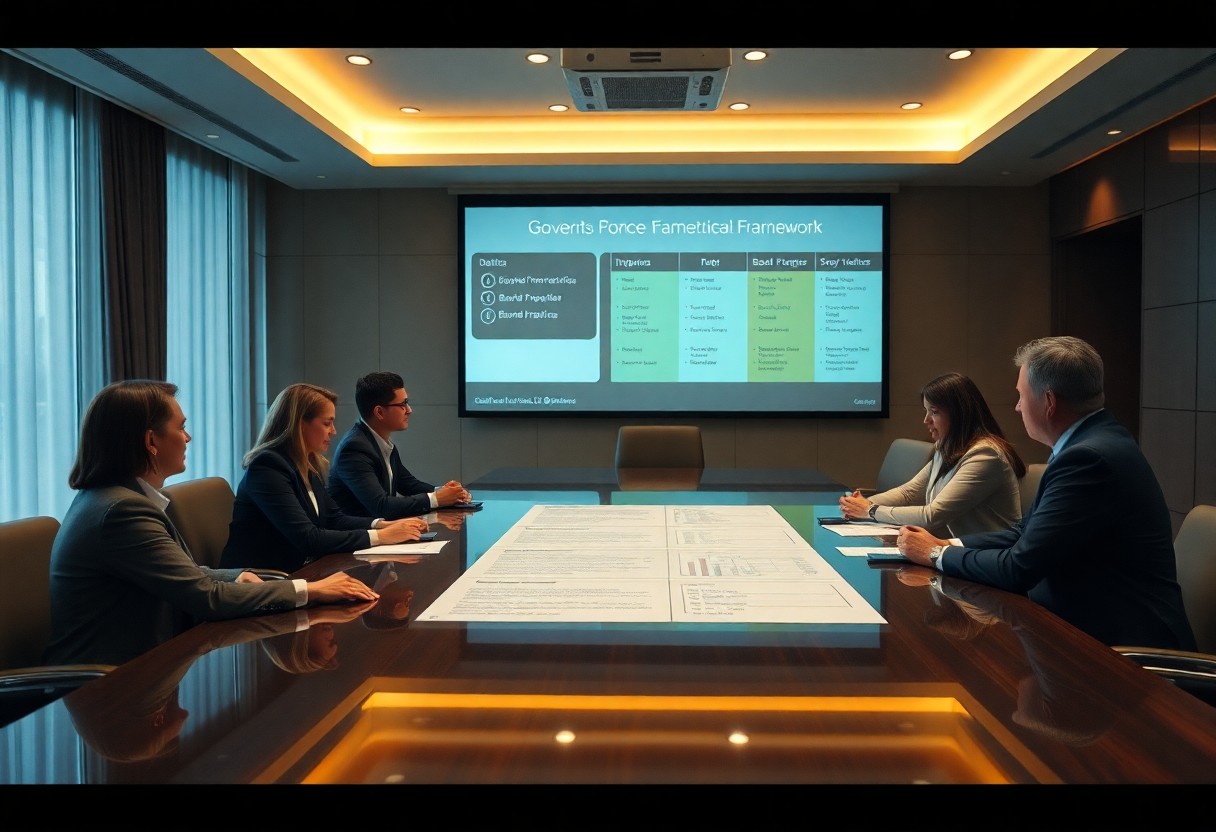
You can enhance your organization’s effectiveness by implementing BoardSource best practices that focus on governance and accountability. By following a structured approach, you will establish clear policies, engage board members effectively, and foster a culture of transparency. This not only mitigates risks but also enhances stakeholder trust, leading to better decision-making processes. Prioritizing these practices will position your organization for long-term success and resilience in a complex operating environment.
Key Takeaways:
- Implementing consistent evaluation mechanisms enhances board performance and accountability.
- Clearly defined roles and responsibilities foster effective governance and decision-making processes.
- Encouraging transparency and open communication builds trust among board members and stakeholders.
Understanding Governance
Governance involves the structures, processes, and traditions that guide how power and responsibilities are exercised within your organization. Strong governance ensures that decisions align with your mission and stakeholder interests, fostering transparency and accountability.
Defining Governance
At its core, governance encompasses the framework through which you direct and control your organization. This includes setting policies, making strategic decisions, and overseeing management, ensuring that all actions reflect the organization’s values and objectives.
Importance of Governance in Organizations
Effective governance is indispensable for the long-term success of your organization. It establishes clear expectations and guidelines, enabling your board and executive teams to make informed decisions that serve the best interests of stakeholders.
Without strong governance, organizations risk misalignment between strategic goals and operational execution, leading to wasted resources and potential reputational damage. Studies show that companies with robust governance frameworks experience significantly higher levels of trust from stakeholders, which can boost their overall performance by up to 20%. Developing a culture of transparency reinforces ethical behavior while allowing you to navigate challenges with resilience and adaptability.
Key Factors for Strong Governance
Achieving strong governance requires focus on several key factors that drive effective board functioning.
- Clear Roles and responsibilities facilitate accountability.
- Effective Leadership sets the tone for ethical behavior.
- Regular Evaluation enhances performance measurement.
- Stakeholder Engagement fosters transparency and trust.
- Diversity and inclusiveness lead to better decision-making.
This intentional focus on these factors strengthens your organization’s governance framework.
Leadership and Ethical Standards
Your leadership must exemplify the highest ethical standards. Strong leaders embody integrity, ensuring that their actions align with the organization’s values. This commitment creates a culture of accountability, where ethical lapses are addressed swiftly and transparently. By modeling appropriate behavior, leaders instill confidence in stakeholders, enhancing organizational reputation.
Inclusiveness and Diversity in Governance
Inclusiveness and diversity are crucial for effective governance. By integrating varied perspectives, your board can make well-rounded decisions that reflect the community it serves. A diverse board enhances the ability to identify risks and opportunities, ultimately leading to improved outcomes. If your board lacks representation, you may miss valuable insights that could drive innovation and engagement.
Incorporating inclusiveness means actively seeking individuals from different backgrounds, experiences, and viewpoints. Research indicates that organizations that prioritize diversity enjoy better performance, as they can draw from a richer pool of ideas and solutions. Consider strategies such as targeted outreach and equitable selection processes to broaden your board’s composition. This not only strengthens governance but also aligns your organization with the communities you serve, fostering trust and collaboration.
Implementing BoardSource Best Practices
Utilizing BoardSource best practices facilitates a robust governance framework that can significantly enhance your organizational performance. By integrating Good Governance Policies for Nonprofits, you ensure that your board functions with clarity and purpose. This structured approach not only promotes accountability but also aligns strategic goals with operational realities, leading to effective decision-making.
Establishing Clear Roles and Responsibilities
Your board should have clearly defined roles and responsibilities to function effectively. Each member must understand their specific duties, whether it’s oversight, fundraising, or strategic planning. This clarity reduces confusion, enhances collaboration, and ensures that all board members are working towards common objectives.
Regular Self-Assessment and Evaluation
Conducting regular self-assessments allows you to evaluate your board’s effectiveness over time. Through structured feedback mechanisms and performance metrics, you can identify strengths and areas for improvement, thereby fostering an environment of continuous growth.
Implementing a structured process for self-assessment involves setting specific criteria, such as attendance, participation in meetings, and contributions to strategic initiatives. Utilize surveys or peer evaluations to gather insights from board members, ensuring the feedback is constructive and focused on progress. This diligence will not only inform your board’s future direction but also strengthen accountability and engagement among members.
Enhancing Accountability
Your organization can bolster accountability by fostering a culture of transparency and open communication. Utilizing resources like A Nonprofit Board’s Dynamics and Processes – FAQs helps establish clear guidelines for board responsibilities and interactions, enabling stakeholders to understand decision-making processes and outcomes.
Transparency in Operations
Transparency in operations is a foundation for accountability. You must ensure that all stakeholders have access to information regarding financials, strategic plans, and decision-making processes. This openness promotes trust and encourages active engagement from board members and the community, demonstrating your commitment to ethical governance.
Mechanisms for Reporting and Feedback
Implementing effective mechanisms for reporting and feedback cultivates a climate where concern can be expressed without fear. Establish regular channels, such as anonymous surveys or town hall meetings, to gauge the board’s performance and community sentiment. This ongoing dialogue offers insights that can drive improvements and empower individuals at all levels.
To enhance these mechanisms, consider setting specific timelines for feedback collection and response. For instance, conducting quarterly evaluations can yield timely insights, enabling you to promptly address issues before they escalate. Moreover, employing technology tools can streamline these processes, allowing for faster analysis and sharing of results, thereby reinforcing a commitment to continuous improvement and accountability within your organization.
Tips for Continuous Improvement
Continuous improvement in governance requires a committed approach to learning and adaptation. Regularly assess your board’s effectiveness through performance evaluations and feedback mechanisms. Implement the following strategies:
- Set measurable goals for board performance.
- Solicit feedback from board members and stakeholders.
- Engage in regular training on governance best practices.
- Review policies and practices annually.
This ongoing journey of evaluation will cultivate an adaptive governance culture. For additional insights, consult Leading with Intent: BoardSource Index of Nonprofit Board ….
Training and Development for Board Members
Consistent training and development opportunities for board members enhance their effectiveness and alignment with organizational goals. Providing access to workshops, seminars, and resources tailored to governance practices helps members stay informed on evolving trends and responsibilities. A well-informed board is better equipped to make strategic decisions, ultimately driving greater organizational success.
Engaging Stakeholders Effectively
Engaging stakeholders is necessary for fostering a supportive ecosystem around your organization. Implementing structured communication strategies enables you to incorporate stakeholder feedback actively, keeping them informed and involved. Utilize surveys, community forums, and social media to cultivate interaction and gather insights, aligning your board’s operations with stakeholder expectations.
Investing time in stakeholder engagement establishes trust and transparency, which are fundamental for an organization’s longevity. You can create partnerships that enhance resources and visibility by involving stakeholders in your decision-making processes. A diverse range of perspectives provides you with comprehensive insights and can lead to innovative solutions that reinforce your mission and vision.
How to Measure Success
Evaluating the effectiveness of your governance and accountability practices is important for continuous improvement. Consider adopting specific metrics that align with your organization’s mission and goals, allowing you to track progress over time and make informed adjustments. Success isn’t solely about achieving benchmarks; it’s also about fostering a culture of accountability that permeates every level of your organization.
Setting Governance Benchmarks
Establishing clear governance benchmarks provides a framework for assessing performance and progress. Focus on metrics such as board meeting attendance, the timeliness of reports, and the completion of strategic initiatives. By tracking these indicators regularly, you gain insight into both the board’s effectiveness and the overall organizational health.
Regular Review and Adaptation
Periodic reviews of governance practices are vital for ensuring they remain relevant and effective. Schedule regular check-ins to assess strengths and weaknesses, soliciting feedback from board members and stakeholders. Adapting your strategies based on these reflections helps maintain alignment with evolving organizational needs and external conditions.
Regular review and adaptation should involve not only quantitative metrics but also qualitative insights. Utilize surveys and interviews to gather nuanced feedback, which can highlight areas for growth and innovation. This iterative process ensures your governance practices stay dynamic, addressing any emerging challenges while capitalizing on strengths. Keeping governance fresh and responsive can lead to enhanced board engagement and effective decision-making.
Summing up
Presently, you can substantially enhance your organization’s governance and accountability by adopting BoardSource best practices. By fostering transparency, defining roles clearly, and engaging in regular self-assessments, you empower your board to make informed decisions, strengthen stakeholder trust, and improve overall effectiveness. Emphasizing continuous education and open communication within your team will further solidify a culture of accountability. Ultimately, by applying these principles consistently, you ensure that your governance framework is not only robust but also adaptable to changing organizational needs.